Several species of hawthorn have been used in traditional medicine, and there is considerable interest in testing hawthorn products for evidence-based medicine. The products being tested are often derived from C. monogyna,C. laevigata, or related Crataegus species, “collectively known as hawthorn”,[10] not necessarily distinguishing between these species, which are very similar in appearance.[6] The dried fruits of Crataegus pinnatifida are used in naturopathic medicine and traditional Chinese medicine, primarily as a digestive aid. A closely related species,Crataegus cuneata (Japanese hawthorn, called sanzashi in Japanese) is used in a similar manner. Other species (especially Crataegus laevigata) are used inherbal medicine where the plant is believed to strengthen cardiovascular function.
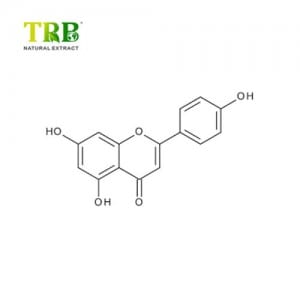
Active ingredients found in hawthorn include tannins, flavonoids (such as vitexin, rutin, quercetin, andhyperoside), oligomeric proanthocyanidins (OPCs, such as epicatechin, procyanidin, and particularlyprocyanidin B-2), flavone-C, triterpene acids (such ursolic acid, oleanolic acid, and crataegolic acid), and phenolic acids (such as caffeic acid, chlorogenic acid, and related phenolcarboxylic acids). Standardization of hawthorn products is based on content of flavonoids (2.2%) and OPCs (18.75%).
Product Name:Hawthorn Leaf Extract
Latin Name:Crataegus Pinnatifida Bge
CAS No:3681-93-4
Plant Part Used:Leaf
Assay:Vitexin-2-0-rhamnoside≧1.8% by HPLC;
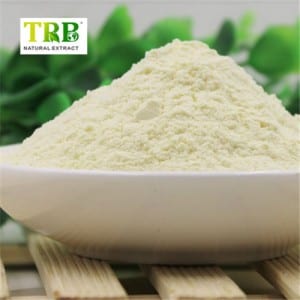
Colour: Red brown powder with characteristic odor and taste
GMO Status:GMO Free
Packing: in 25kgs fiber drums
Storage:Keep container unopened in cool, dry place,Keep away from strong light
Shelf Life:24 months from date of production
Function:
-Dilating coronary artery, improving myocardial blood and decreasing myocardium oxygen consumption, thus preventing ischemic heart disease.
-Inhibiting thyroid peroxidase, anticancer and antibacterial.
-Decreasing blood lipid, inhibiting platelet aggregation and spasmolysis
-Scavenging free radicals and enhancing the immunity.
Application:
-Applied in food field,it is widely used as functional food additive.
-Applied in health product field, it owns the function of strengthening stomach, promoting digestion and preventing postpartum syndrome.
-Applied in pharmaceutical field, it is frequently used in treating coronary heart disease and angina pectoris.