Ginkgo Biloba Extract: Premium Organic Standardized Extract for Cognitive Support & Vascular Health
Product Overview
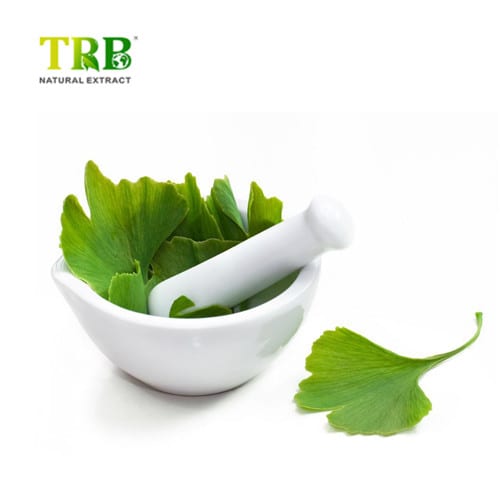
Ginkgo Biloba Extract is a high-quality herbal supplement derived from the leaves of the Ginkgo biloba tree, a species revered for its resilience and medicinal properties. Our extract is USDA-certified organic, processed using ethanol extraction to preserve bioactive compounds, and standardized to contain ≥24% flavonoid glycosides and ≥6% terpenoids (ginkgolides and bilobalide), ensuring potency and consistency .
Key Benefits
- Cognitive Enhancement:
- Improves memory, focus, and mental clarity by enhancing cerebral blood flow and protecting neurons from oxidative stress .
- Clinically studied for alleviating symptoms of age-related cognitive decline, dementia, and Alzheimer’s disease .
- Vascular & Circulatory Support:
- Reduces dizziness, tinnitus, and vertigo by improving peripheral blood circulation .
- Inhibits platelet aggregation, supporting cardiovascular health .
- Antioxidant Protection:
- Neutralizes free radicals with potent flavonoid content, slowing cellular aging and promoting skin health .
Product Specifications
| Parameter | Specification | Test Method |
|---|---|---|
| Appearance | Yellow-brown fine powder | Organoleptic |
| Active Compounds | ≥24% flavonoids, ≥6% terpenoids | HPLC |
| Loss on Drying | ≤5% | USP <731> |
| Heavy Metals | ≤10 ppm | USP <231> |
| Microbial Contaminants | <1000 CFU/g | USP <61> |
Applications
- Dietary Supplements: Recommended daily dose: 60–120 mg for cognitive support .
- Skincare: Formulated in anti-aging creams and serums for antioxidant and whitening effects .
- Functional Foods: Compatible with capsules, tablets, or powdered blends.
Quality Assurance
- Organic Certification: Sourced from controlled cultivation in East Asia, free from pesticides and GMOs .
- Standardized Extraction: Follows EGb 761 protocol (German Schwabe process) for optimal bioactivity .
- Third-Party Testing: Each batch includes a Certificate of Analysis (COA) for purity and potency .
Why Choose Our Extract?
- Clinically Validated: Backed by RCTs demonstrating efficacy for cognitive and vascular health .
- Vegan & Non-GMO: Suitable for all dietary preferences.
- Bulk Sourcing: Available in 25 kg bags or custom packaging .
Keywords
Organic Ginkgo Biloba Extract, 24% Flavonoids, Cognitive Support Supplement, Vegan Brain Health, Standardized EGb 761, Tinnitus Relief, Antioxidant Powder, USDA-Certified Extract.